How Smarter Scheduling Reduces Employee Burnout
Burnout has become one of the defining challenges of modern work. It affects every industry that relies on shifts. from restaurants and hotels to hospitals and call centres. The issue isn’t only about long hours; it’s about unpredictability, imbalance, and the feeling that personal time is always at risk.
When schedules constantly change, when rest periods shrink, and whenfairness feels negotiable, fatigue sets in long before the shift begins.
The Link Between Scheduling and Wellbeing
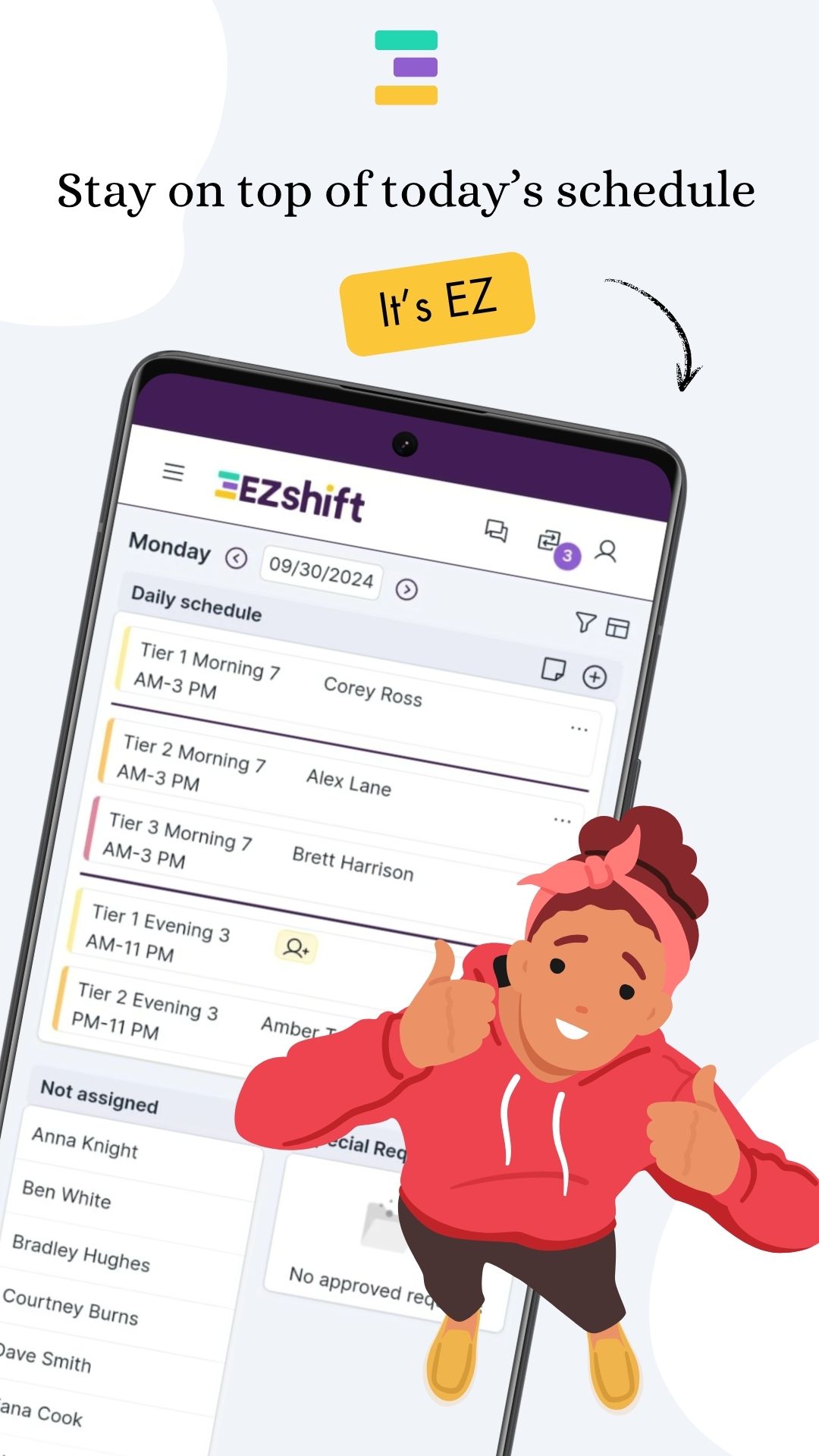
Research across multiple sectors shows a clear connection between poor scheduling practices and employee exhaustion. Unstable rotas, frequent last-minute changes, and perceived unfairness in shift distribution are among the strongest predictors of disengagement and turnover.
A well-designed schedule, on the other hand, acts as a safeguard. It gives employees control, predictability, and the confidence that their time is respected. This stability doesn’t just improve morale, it translates into better performance and lower absenteeism.
The Problem with Traditional Scheduling
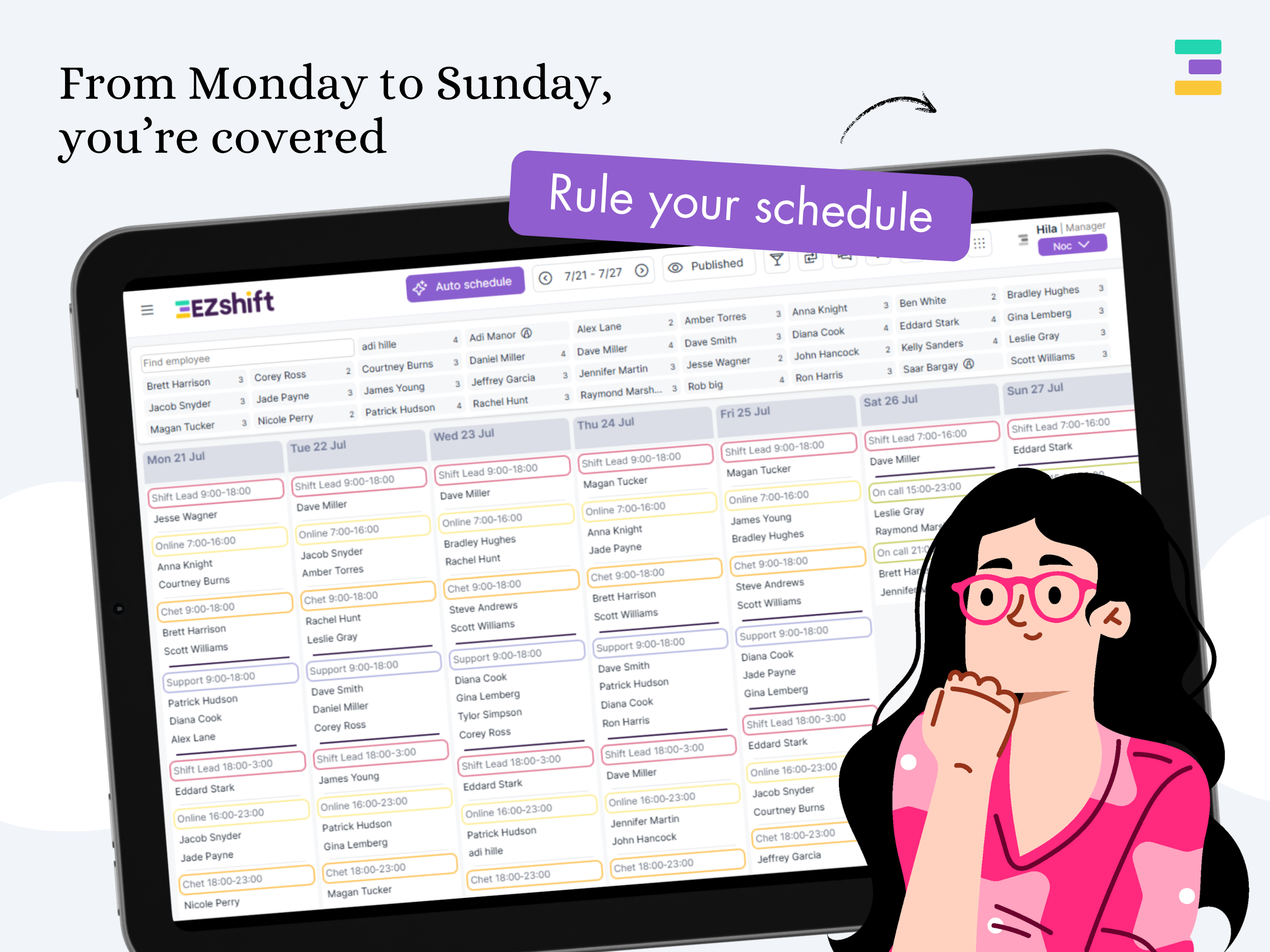
Even digital scheduling tools often miss the human side of the equation. They focus on coverage and compliance but overlook the subtle balance between fairness and flexibility. The result is a system that may satisfy legal requirements but still leaves employees feeling unheard. Managers, meanwhile, spend countless hours trying to reconcile business needs with personal requests. Every change becomes a negotiation, and every week begins with a new round of compromises.
A More Human Approach
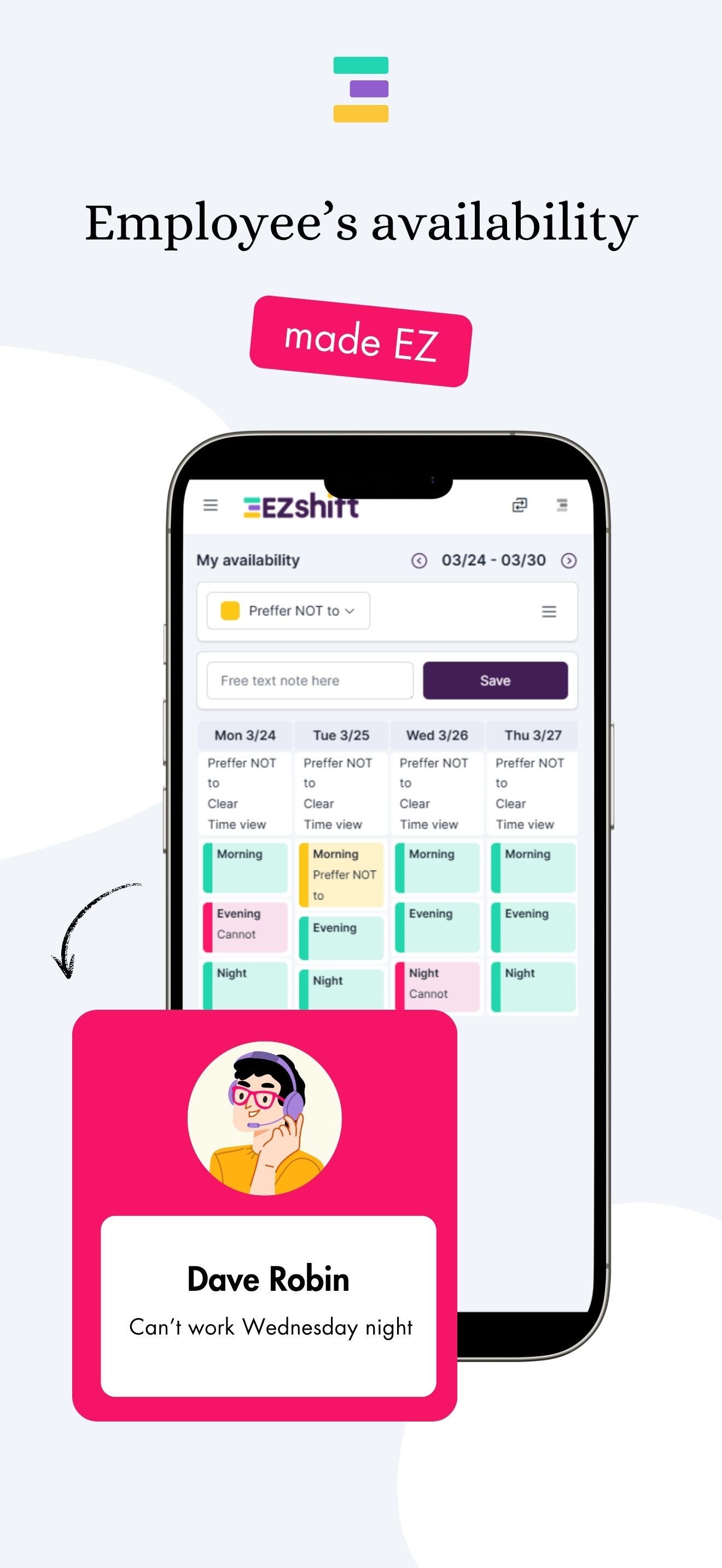
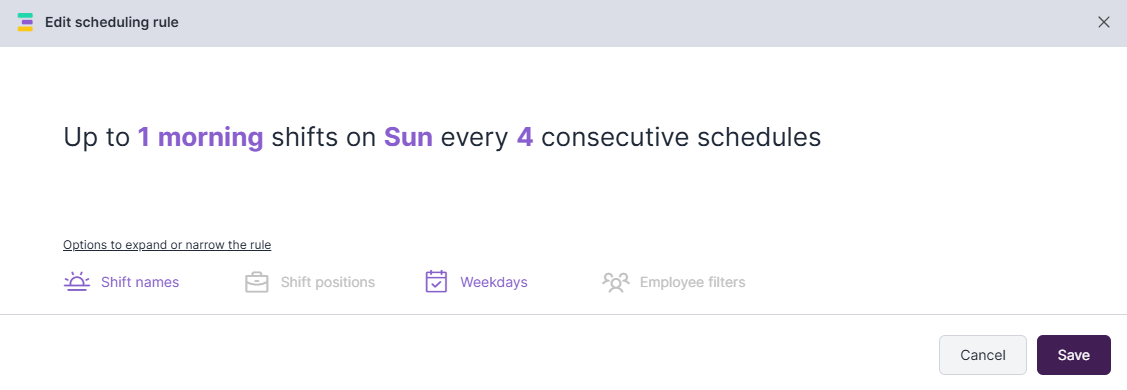
Modern automation offers a different path. Instead of forcing managers to juggle preferences manually, advanced scheduling systems can integrate them directly into the process. Employees can submit availability within defined rules, mark preferred or restricted shifts, and even swap with colleagues, all while the system ensures compliance with labour laws and fairness policies.This creates a balance between structure and autonomy. Managers maintain control, but employees gain genuine flexibility. The result is an environment where people feel trusted rather than managed.
Fairness by Design
Burnout isn’t only about workload; it’s about perception. When staff see that difficult or high-demand shifts are shared fairly, trust grows. When they know their preferences are considered automatically, stress falls. Automation, used thoughtfully, becomes a quiet force for wellbeing.
Organisations that have implemented rule-based scheduling platforms report measurable improvements: fewer last-minute changes, greater satisfaction, and a noticeable drop in staff turnover.
One hospitality group observed that employees were more willing to pick up extra shifts once they believed the system treated everyone equally.
Restoring Balance
Technology alone won’t solve burnout, but it can remove one of itsmain causes: unpredictability. A well-structured, fair rota shows employees that their time matters. It brings order to a chaotic process and allows managers to focus on people instead of paperwork. Scheduling is more than logistics. It’s a reflection of how a company values its workforce. When done intelligently, it protects both wellbeing and productivity, ensuring that teams stay motivated, balanced, and ready to perform at their best.