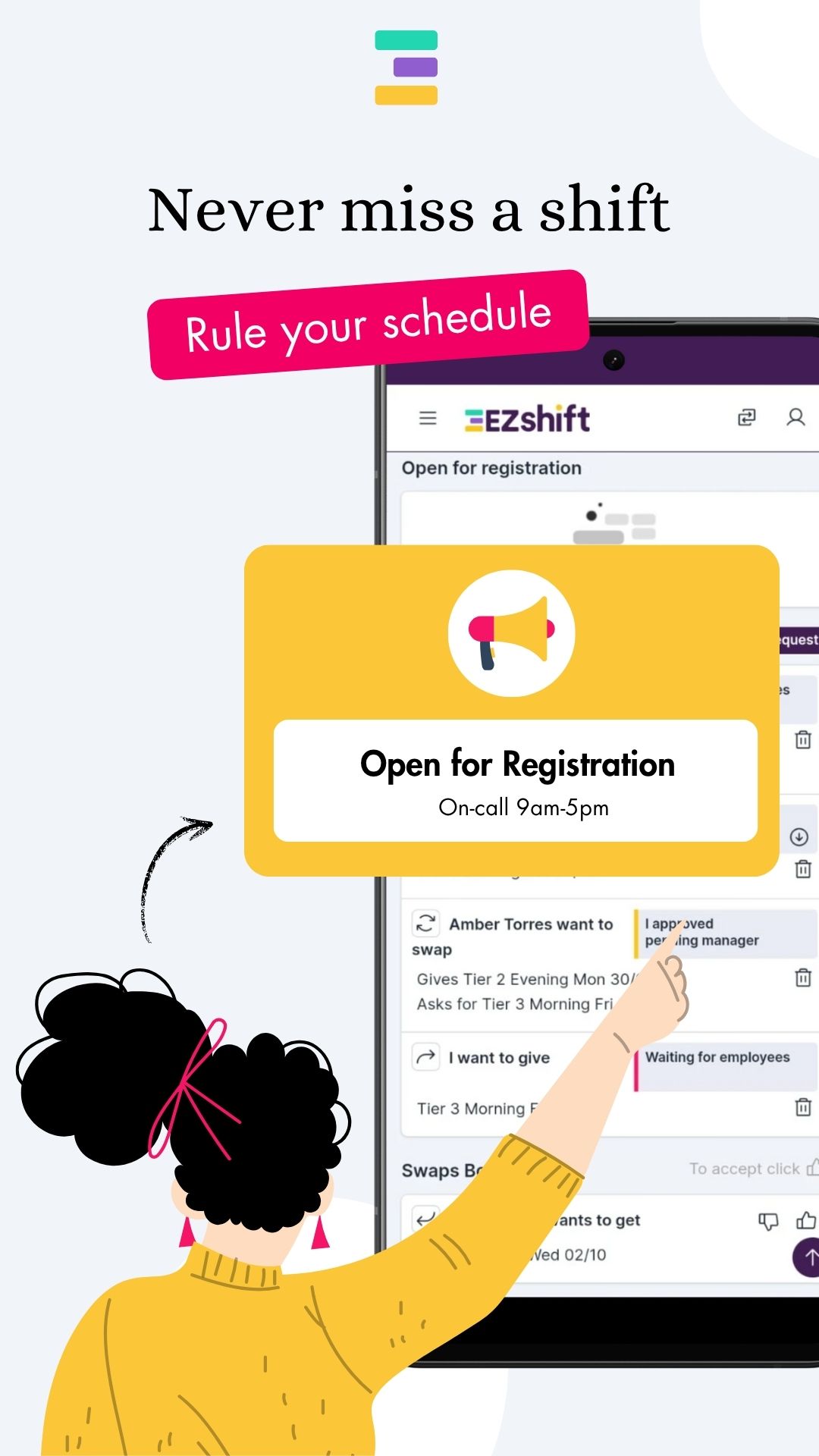
Giving Employees Control Without Losing Control
For many organisations, employee autonomy sounds like a risk. Managers fear that too much flexibility will create chaos, that if staff can choose or swap shifts freely, no one will be available when needed. Yet the opposite often proves true.
When employees have a structured way to manage their own availability and requests, operations become smoother, not harder. The key lies in balance: freedom within defined rules.
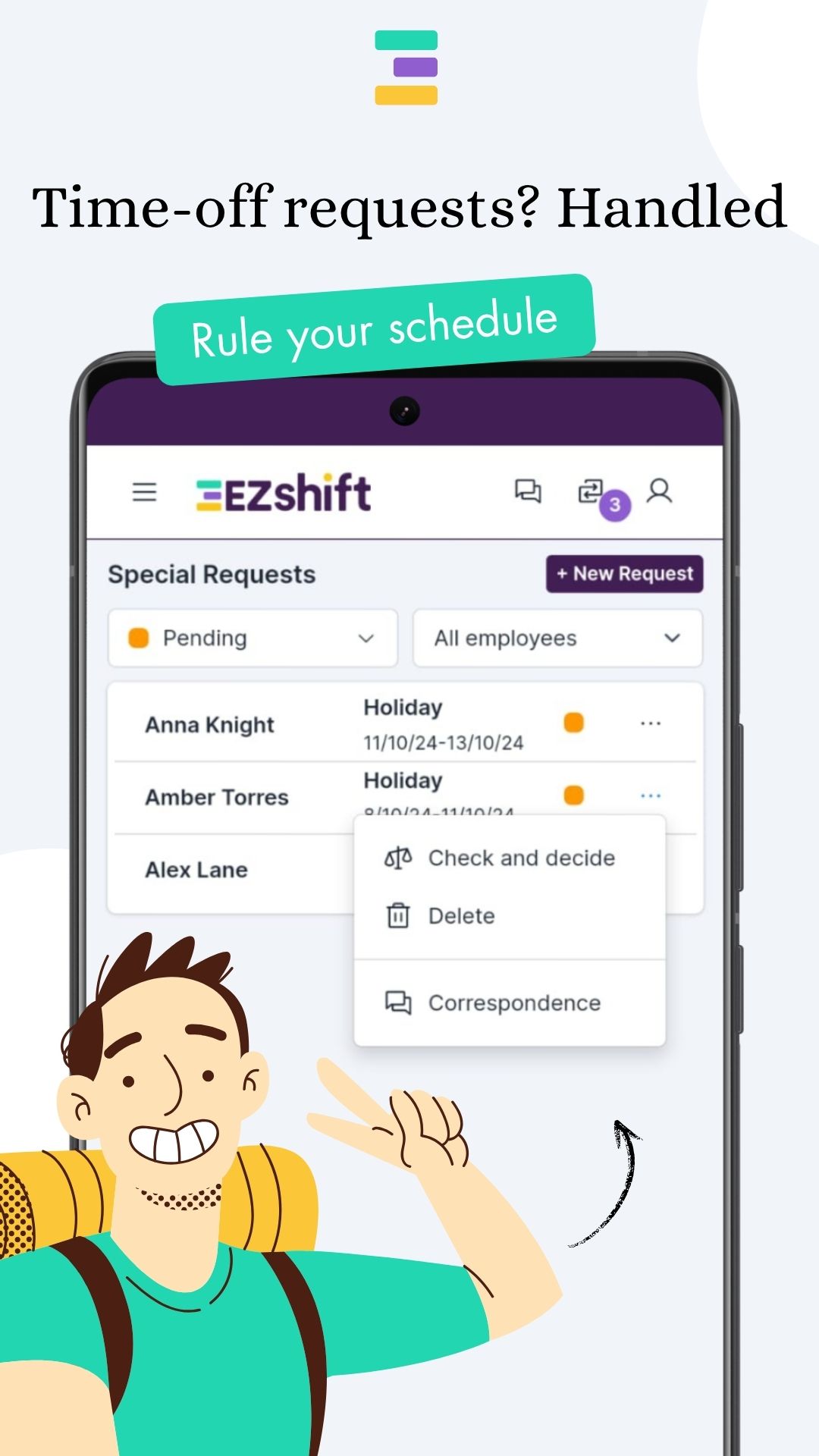
Why Visibility Matters
In traditional scheduling environments, communication is one-sided. Managers publish a rota, employees react, and any change requires direct approval or endless messaging threads. This lack of transparency fuels frustration and confusion. People arrive at the wrong times, requests get lost, and last-minute adjustments become routine.
A modern scheduling system changes this dynamic by giving employees full visibility of their upcoming shifts and any updates in real time. With one accessible source of information, communication becomes clearer, reducing confusion, improving day-to-day coordination and building trust.
Empowerment Through Structure
True empowerment doesn’t mean losing control; it means defining clear boundaries and allowing flexibility within them.
For example, employees can request time off, indicate their availability, or even swap shifts, but the system enforces the same compliance checks a manager would. Rest periods, contractual limits, and skill requirements remain protected automatically. This structure prevents scheduling conflicts and ensures fairness, even as staff enjoy greater independence. Managers, instead of handling every small change, can focus on reviewing and approving exceptions. Decision-making moves from reactive firefighting to proactive oversight.
The Psychological Shift
When employees feel they have influence over their time, their relationship with work changes. Absenteeism drops, communication improves, and shifts become easier to fill. People are more willing to take on additional hours when they know the process is fair and transparent. This sense of control is especially valuable in industries with irregular hours or high turnover. A flexible, transparent system signals respect, it tells employees their time matters.
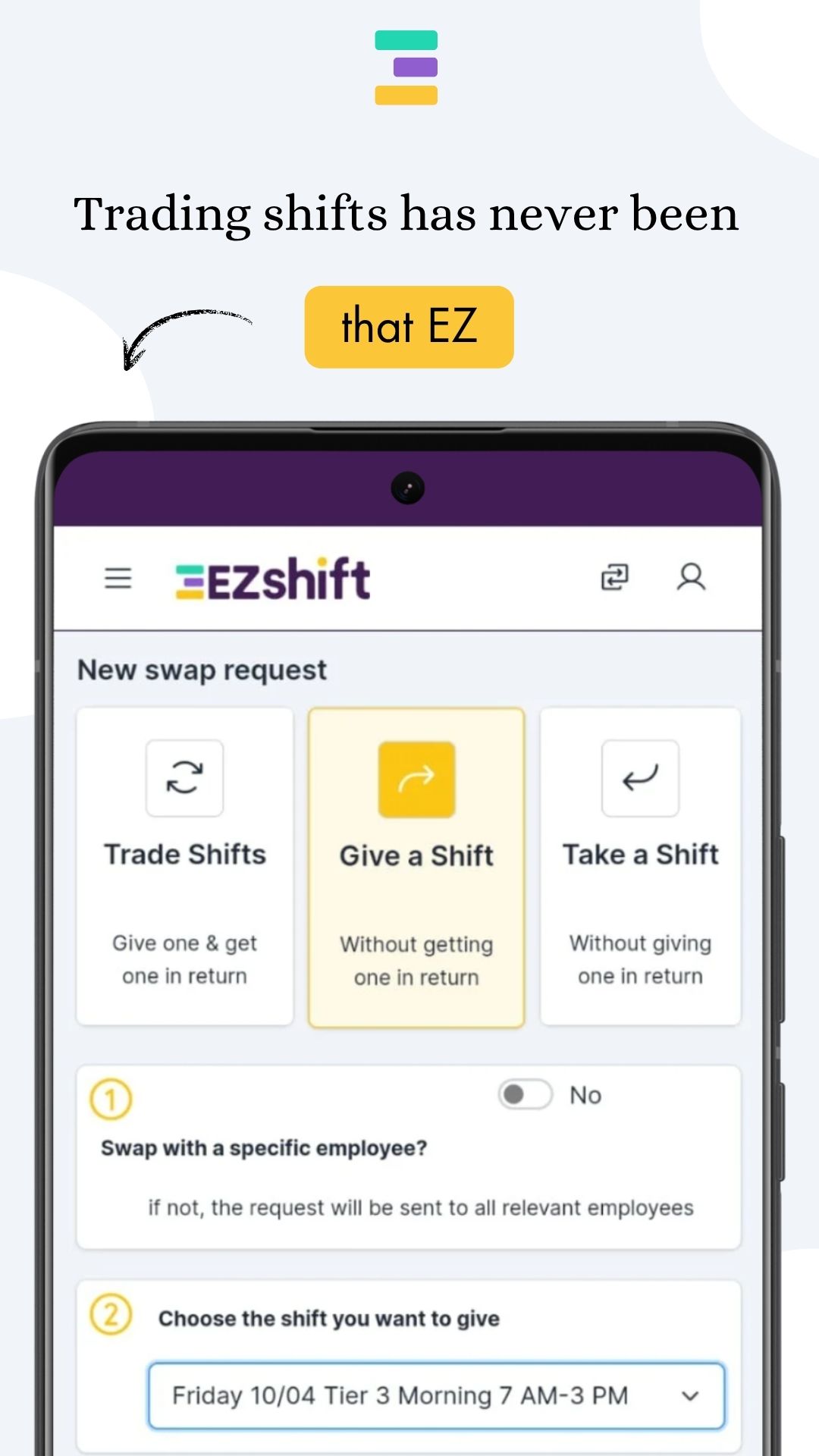
How Technology Enables It
Modern rule-based platforms, such as those used in hospitality and retail, now make it possible to combine autonomy with consistency. Employees can interact directly with the schedule through mobile or web portals, while the underlying engine ensures compliance and fairness remain intact.
In practice, managers report fewer misunderstandings, faster response times, and improved engagement. The technology becomes an enabler of better relationships, not a replacement for them.
Control Reimagined
Giving employees control doesn’t mean giving up authority; it means exercising it differently. A well-structured scheduling system acts as aframework that protects business needs while empowering people to contribute actively.
When fairness, flexibility, and compliance are built into the process, control becomes something shared not contested. The result is a workplace that runs on trust rather than tension. Managers stay in command, employees stay engaged, and the rota becomes a point of cooperation instead of conflict.